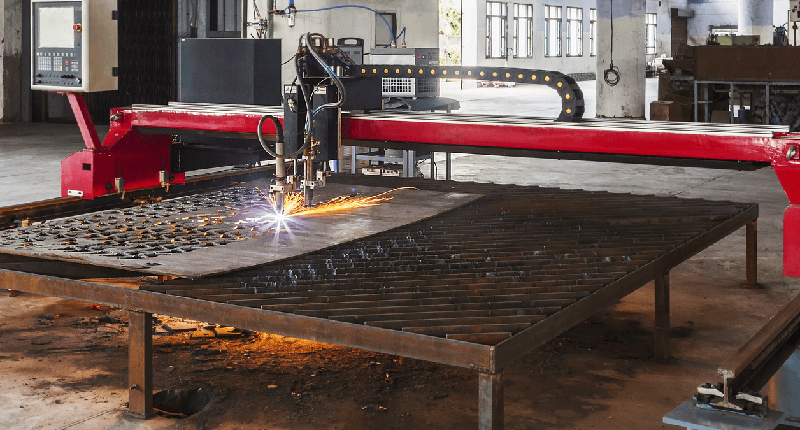
CAD gives metal fabrication a sharper memory, turning ideas into measured toolpaths before the first spark ever touches steel. Paired with a CNC plasma cutter, it helps teams cut faster, repeat parts more cleanly, and keep shop-floor decisions tied to the original design instead of loose interpretation.
Seamless Translation of Digital Blueprints into Precise Physical Cuts
Blueprints once had to pass through several hands before reaching the cutting table, which left plenty of room for small misreads. CAD integration sends exact geometry to the plasma cutter, so dimensions, contours, holes, and slots stay aligned with the approved drawing.
Programmed files also reduce the “close enough” mindset that can creep into fabrication. A CNC plasma cutting machine reads the digital path, follows measured coordinates, and cuts shapes with steadier control than hand-guided layouts can usually deliver.
Faster Transition from the Initial Design Phase to Actual Fabrication
Designs move quicker when engineering files do not need to be redrawn for production. CAD-to-CNC workflows allow teams to convert approved parts into cut-ready programs, which shortens the distance between concept, review, and metal on the table.
Schedules benefit because fewer manual steps sit between design approval and fabrication. A CNC plasma cutter can begin producing parts once the file, material thickness, amperage, and cut settings are checked, helping shops respond faster to job changes.
Drastically Reduced Material Wastage Through Optimized Part Arrangement
Nesting software connected to CAD helps arrange parts across a sheet with smarter spacing. Instead of placing shapes by guesswork, the system can position brackets, plates, gussets, and panels in ways that preserve more usable steel.
Scrap control matters because material waste quietly raises project cost. Better digital layouts help a CNC plasma cutting machine cut more pieces from the same sheet while keeping enough distance between parts to protect edge quality and reduce heat distortion.
Ability to Easily Replicate Identical Parts with Flawless Consistency
Repeat work exposes the difference between a skilled cut and a controlled process. CAD integration stores the part file, so the same geometry can be used again without rebuilding measurements from scratch.
Batch production becomes more dependable because the CNC plasma cutter follows the same programmed path each cycle. Matching parts help welders, assemblers, and inspectors work with less grinding, rechecking, and adjustment during final fit-up.
Elimination of Manual Data Entry Errors on the Shop Floor
Typed measurements can create expensive surprises when one number lands in the wrong field. CAD integration reduces that risk by carrying the original design data into the machine workflow instead of forcing operators to recreate dimensions manually.
Floor teams still need experience, but their attention can shift toward setup quality, consumable condition, material type, and cut performance. That makes the plasma cutter part of a cleaner production chain rather than a separate step full of repeated data handling.
Greater Flexibility to Make Instant Design Tweaks Before Cutting Begins
Designers can adjust hole placement, tab length, slot width, or profile shape inside CAD before any material is lost. This helps teams catch fitment issues early, especially on custom brackets, machine guards, frame components, and prototype parts.
Revision control also becomes easier because updated files can replace outdated versions before production starts. A CNC machine company using connected design and cutting workflows can help reduce confusion between engineering changes and shop-floor execution.
Streamlined Production of Highly Intricate Shapes and Complex Geometries
Detailed profiles can be difficult to lay out by hand, especially when curves, internal cutouts, and tight notches need to match the drawing. CAD integration gives the CNC plasma cutter a precise path for shapes that would take much longer to mark manually.
Corners, arcs, slots, and repeated pierce points become easier to manage through programmed motion. This allows a CNC plasma cutting machine to handle decorative panels, industrial components, and formed assemblies with cleaner consistency across complex layouts.
Lower Operational Costs by Maximizing Machine Uptime and Efficiency
Productive cutting starts with fewer interruptions between design, programming, setup, and production. CAD integration helps reduce downtime by keeping files organized, cut paths prepared, and part layouts ready for the machine before the job reaches the table.
Amtec Solutions Group brings technical experience to automated robotics manufacturing, precision machining, and fabrication workflows where every cut matters. Companies searching for CNC companies near me or upgrading to a CNC plasma cutter can gain more control, less waste, and a smoother path from design to production