Key Takeaways
Regular inspections of log homes should take place every six months. This proactive approach helps catch issues early, ultimately preventing costly repairs and maintaining structural integrity.
For combating wood decay, effective treatments are crucial. High-performance preservatives, especially those based on borate, can provide outstanding protection against moisture and fungi.
It’s vital for homeowners to understand pest infestations. Looking out for signs like dust patterns or sawdust is essential, and scheduling annual pest control assessments aids in proactive management.
Sealing and staining are critical for log homes. Oil-based stains are preferred for deeper penetration and better moisture protection.
Creating a moisture barrier around log homes begins with effective drainage and insulation, which help prevent both condensation and wood decay.
Managing indoor moisture effectively involves using dehumidifiers and maintaining proper ventilation, especially in moisture-prone areas like kitchens and bathrooms, to ensure good air quality.
Investing in professional-grade sealants and tools plays a crucial role in effective log home maintenance, and utilizing professional services enhances the overall results, promoting the home’s longevity.
Proven Strategies for Preserving Your Log Home’s Integrity
How Regular Inspections Prevent Major Repairs
A log home can provide serenity and beauty, but it demands vigilance. Regular inspections act as the first line of defense against decay and damage. If homeowners conduct these every six months, they’ll be able to spot small issues before they expand into costly repairs. A systematic approach during inspections is advisable, focusing on crucial aspects like the roof, foundation, and the logs themselves.
Watch closely for any signs of moisture or insect activity. A crack, no matter how small, could signal more significant issues beneath the surface. Checking logs for discoloration, soft spots, or any distress signals is critical. Familiarity breeds intuition, so trust builds over time as homeowners familiarize themselves with their dwelling. In the end, a little vigilance can translate to substantial savings.
- Begin with the exterior: look for any peeling or fading finishes.
- Assess the foundation for any cracks or signs of movement.
- Inspect for water accumulation around the logs or in crawl spaces.
Routine inspections allow issues to remain manageable. With a proactive mindset, repairs won’t feel overwhelming and expenses will stay in check. Ultimately, it’s all about taking action before problems develop.
Essential Treatments to Combat Wood Decay
Not every treatment offers the same level of effectiveness. While multiple methods target wood decay, the best options penetrate deeply, protecting the wood. Traditional sealants are often inadequate, merely coating the surface while leaving the underlying materials exposed. Relying on high-performance wood preservatives is crucial; these solutions deter moisture and fungi, safeguarding longevity.
The application of borate-based treatments is frequently endorsed. This compound acts as a protective barrier, disrupting moisture and deterring decay agents. Importantly, these treatments can even be applied during wet conditions without sacrificing effectiveness.
- Consider using borate solutions for their proven effectiveness against wood-destroying fungi.
- Utilize water-repellent finishes that extend the lifespan of the wood.
- Stay on top of re-treatments, adjusting to environmental conditions.
“A small investment in treatment today can yield savings during inspections down the road.”
Identifying and Addressing Pest Infestations Early
Pests, ranging from termites to powderpost beetles, pose a significant threat to log homes. Early identification of these threats makes a notable difference. Homeowners must familiarize themselves with the signs of infestations. Look for unusual dust patterns, sawdust around logs, or small holes; these can indicate deeper, often ignored issues.
Carrying out annual pest control assessments is essential. Professionals in the field recommend establishing a relationship with a reliable pest control service to conduct regular monitoring. Some treatments incorporate preventive measures, providing both peace of mind and effective pest deterrence.
- Be vigilant for signs of pest activity during routine inspections.
- Opt for annual pest control assessments for peace of mind.
- Stay educated on common local pest threats for timely interventions.
Weatherproofing Techniques for Long-Lasting Log Homes
The Importance of Proper Sealing and Staining
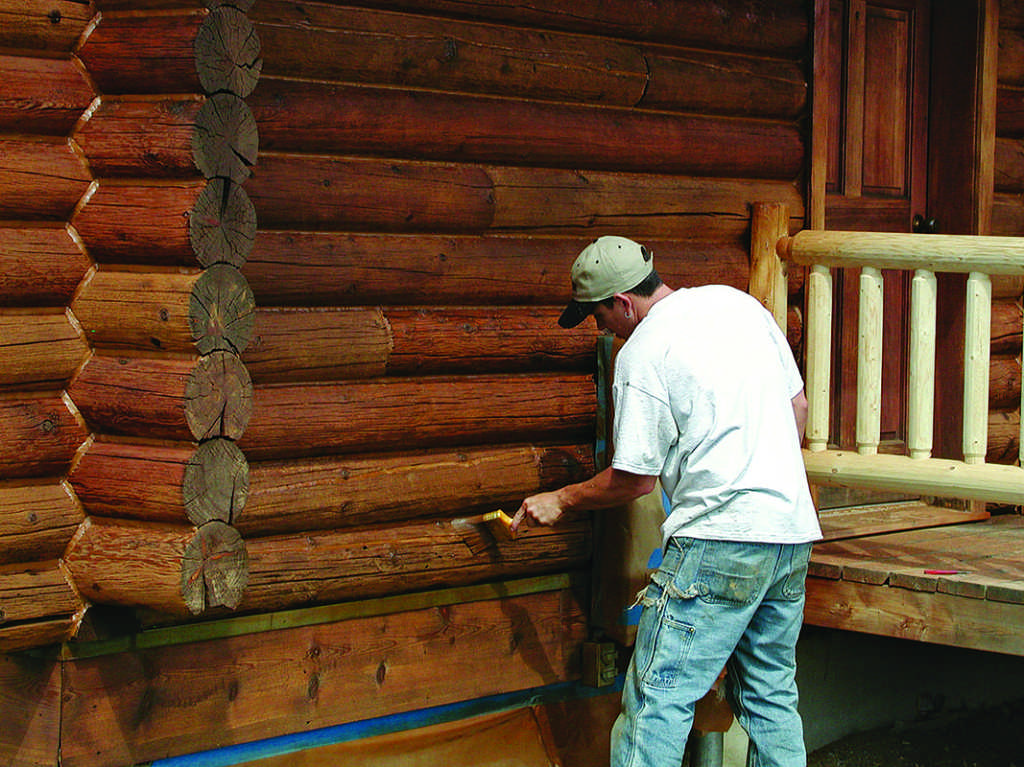
Sealing and staining a log home extends beyond mere aesthetics; it’s essential for longevity. A high-quality stain forms a protective barrier, preventing moisture from damaging the wood. Yet, many homeowners remain confused about available stain options. The assumption that all stains are alike is a misconception.
While water-based stains enjoy popularity, they may not deliver the necessary protection for log homes. In contrast, oil-based stains penetrate more deeply, offering a robust defense against the elements. Experts suggest selecting products specifically crafted for log homes. Quality is undeniably a key component in achieving lasting results.
- Opt for oil-based stains for deeper penetration.
- Sealants require updates every few years, influenced by local weather patterns.
- Meticulously inspect surfaces before applying any finishing products.
Best Practices for Maintaining Exterior Finishes
Exterior finishes face constant exposure to wear and tear from environmental conditions. Thus, regular maintenance becomes vital to protecting the underlying wood. Professionals advocate for scheduling a comprehensive cleaning at least once a year. This cleaning should employ gentle, eco-friendly cleaners to avoid stripping the wood of its protective properties.
Although using a power washer might seem appealing, caution is necessary. Excessive pressure can damage the logs. A gentler method, like hand scrubbing, provides better long-term results without risking the wood’s integrity.
- Ensure thorough rinsing of surfaces to prevent residue buildup.
- Tackle moss and lichen before they establish roots.
- Maintain a consistent routine of annual inspections and cleanings.
Building a Resilient Barrier Against Moisture
Moisture acts as a primary adversary for any log home. Establishing a reliable barrier is essential to protect against water infiltration. This process often starts with ensuring adequate foundation drainage. Proper drainage leads water away from the home, avoiding pooling near the base.
Insulation, frequently overlooked, plays a key role. Appropriate insulation not only enhances comfort but also minimizes the likelihood of condensation developing within walls. Condensation silently invades the wood, promoting decay. Taking strategic preventive steps can significantly mitigate this risk.
- Confirm adequate drainage surrounding the log home.
- Consider installing gutters for effective roof runoff management.
- Incorporate breathable membranes within walls to combat moisture retention.
Tips for Interior Maintenance of Log Cabins
Caring for Log Interiors: Is Cleaning Enough?
When it comes to log interiors, many homeowners settle for basic cleaning. However, cleaning is merely the beginning. Understanding the materials used in the original construction is vital. Depending on the type of finish, certain cleaners might undermine protective barriers, leading to premature deterioration of the logs.
Experts recommend pH-balanced cleaners specifically designed for wood. Regular dusting curtails dirt accumulation and preserves the integrity of the wood finish. However, it doesn’t end there; annual interior log inspections are necessary for identifying potential issues before they escalate.
- Utilize pH-balanced cleaners tailored for wood interiors.
- Establish a routine for consistent dusting and checking.
- Periodically assess finish quality to ensure logs remain protected.
Maximizing Comfort Through Efficient Insulation
Insulation goes beyond retaining heat; it also plays a role in moisture prevention. Effective insulation achieves a balance between both. Modern log cabins should employ advanced insulating materials that complement the log structure. The goal is to create a thermal envelope that promotes energy efficiency without sacrificing comfort.
While traditional fiberglass insulation is common, alternative solutions like cellulose or spray foam are gaining traction in the log home sector because of their superior sealing against air leakage.
- Merge cellulose insulation with vapor barriers for optimal performance.
- Explore spray foam options that adapt to unique log contours.
- Conduct thermal imaging assessments to monitor efficiency levels.
How to Protect Against Indoor Moisture Issues
Moisture poses threats not just from outside; it can also accumulate internally. Such buildup may lead to mold or rot, which could severely damage the carefully crafted logs. To combat indoor moisture problems, installing dehumidifiers can greatly enhance air quality. However, just a few devices may not suffice; a comprehensive approach is necessary.
Proper ventilation is indispensable. Including exhaust fans in moisture-heavy areas like kitchens, bathrooms, and laundry rooms helps minimize humidity. Establishing proper air circulation is fundamental for keeping indoor spaces fresh and healthy. When indoor air quality is well-managed, it considerably benefits the overall health of the home.
- Invest in dehumidifiers to control indoor humidity.
- Ensure proper ventilation in areas with high moisture production.
- Utilize hygrometers to monitor humidity levels proactively.
Expert Recommended Tools and Products for Log Home Care
Top-Quality Sealants That Stand the Test of Time
Choosing the right products is pivotal for effective log home maintenance. High-quality sealants create lasting barriers against moisture and decay, ensuring the wood’s durability. However, not all sealants offer the same benefits. Seek products that provide UV protection alongside moisture resistance. This combination can significantly influence both aesthetic preservation and structural integrity.
Some top brands cater specifically to log homes, addressing their unique needs and characteristics. Homeowners should prioritize investing in professional-grade sealants known for their long-lasting results.
- Select sealants equipped with UV filters to prevent color fading.
- Evaluate product durability claims and look for genuine user testimonials.
- Choose flexible sealants to accommodate the natural movement of logs.
Must-Have Tools for DIY Log Home Owners
For those choosing the DIY path, possessing the right tools is essential for achieving quality outcomes. A top-notch caulking gun is critical for applying sealants cleanly. A moisture meter facilitates accurate monitoring; its compact design allows easy access for quick checks during maintenance tasks.
Specialized hand saws and chisels for log work provide precision that standard tools often lack. Setting aside a corner of the garage for these essential tools will ensure that every homeowner has a practical workspace at the ready.
- Acquire a high-quality moisture meter for precise readings.
- A professional-grade caulking gun ensures clean and effective applications.
- Utilize hand tools designed specifically for log maintenance to ensure effective repairs.
Investing in Professional Services for Optimal Results
Even the most skilled DIY enthusiast can benefit from professional assistance at times. Repairing logs, sealing, and conducting inspections often require expertise to ensure quality work. Partnering with professionals not only saves time but also reduces the risk of costly mistakes.
Developing a relationship with log home maintenance experts can provide homeowners with a sense of security. These professionals grant access to the latest products and techniques tailored for log homes. Trust plays a crucial role, and many companies offer consultations to foster this trust.
- Engage qualified log home specialists for necessary repairs.
- Review multiple service providers to compare offerings and reputations.
- Trust the expertise available; many consultations are complimentary.
Maintaining a log home can be challenging, but it’s thoroughly rewarding. When homeowners commit to a solid maintenance plan, they protect their investment and ensure its beauty endures for generations. Log home maintenance is more than just a task; it’s a commitment to preserving a legacy.
FAQ
What types of pests commonly infest log homes?
Log homes are commonly targeted by pests such as termites, powderpost beetles, and carpenter ants. Each of these can inflict considerable damage if not addressed promptly, highlighting the necessity of pest identification and annual inspections.
How can homeowners ensure their log home’s warranty remains valid?
Maintaining a log home typically requires adherence to specific upkeep guidelines set forth by manufacturers or contractors. It’s imperative to keep detailed records of inspections, treatments, and repairs to ensure compliance, thereby preserving warranty validity.
What are the signs that a log might need replacing?
Homeowners should be alert for soft spots, notable discoloration, or severe rot within their logs. If a log appears structurally compromised or exhibits extensive decay, it’s likely time for a replacement to avert further deterioration.
Are there specific seasons best for conducting log home inspections?
Generally, spring and fall are considered the prime seasons for log home inspections. This timing allows homeowners to identify issues that may have arisen from harsh weather and address them prior to the extremes of summer or winter, thus maintaining the home’s condition.
What’s the average lifespan of a well-maintained log home?
With careful maintenance, a log home can last for many generations, often exceeding 50 years or more. Factors such as climate, materials, and consistent care significantly influence longevity.
How often should staining and sealing be done?
Experts advise reapplying stains and sealants every three to five years, contingent upon weather exposure and product specifics. Regular evaluations can help determine if surfaces need attention sooner to effectively protect the logs.
What are the benefits of using professional-grade tools for maintenance?
Investing in professional-grade tools guarantees greater precision and efficiency in maintenance tasks. High-quality tools can enhance performance, lead to superior results, and ultimately save time during log home upkeep.
How can homeowners improve indoor air quality in log homes?
To boost indoor air quality, homeowners should focus on proper ventilation, utilize dehumidifiers, and routinely inspect for signs of moisture buildup. These actions will significantly decrease the risk of mold and contribute to a healthy living environment.