Preparing an RV for storage involves more than covering the exterior and disconnecting the battery. Food compartments, refrigerators, cupboards, drawers, and pantry areas should also receive careful attention before the vehicle is parked for an extended period. Even small amounts of food residue can attract insects, create unpleasant odours, or become difficult to clean after several weeks or months.
A proper cleaning routine helps keep the interior fresh and makes the RV easier to prepare for its next trip. Whether the vehicle is being stored at home or placed in RV storage units, cleaning food-related areas should be an important part of the preparation process.
Remove All Food Before Cleaning
The first step is to remove everything from the RV’s food compartments. This includes packaged foods, spices, drinks, cooking ingredients, pet food, and anything stored in cupboards or drawers.
Even unopened items may not be suitable for long-term storage inside an RV. Temperature changes can affect certain foods, while opened packages can attract pests.
Check cupboards, under seats, pantry shelves, and other storage areas where food may have been placed during previous trips. It is easy to overlook small items when preparing the vehicle quickly.
Check for Expired or Opened Items
Once everything has been removed, sort through the food before deciding what to take home.
Discard expired products and opened foods that are unlikely to be used before storage. Pay particular attention to items stored in containers that are not completely sealed.
Crumbs, sugar, flour, cereal, snacks, and other dry foods can leave residue behind even when the packaging appears closed. Removing these items gives you a clean starting point for the rest of the preparation.
Clean Cupboards and Pantry Shelves
Food storage compartments should be emptied completely before cleaning.
Start by removing loose crumbs and debris. A small vacuum can be useful for corners, shelf edges, drawer tracks, and other areas that are difficult to reach with a cloth.
After vacuuming, wipe hard surfaces with a suitable household cleaner. Follow the manufacturer’s recommendations for the material being cleaned, particularly if shelves are made from laminated wood, painted surfaces, or other finishes that may react to strong products.
Allow shelves and cupboards to dry completely before closing them.
Pay Attention to Hidden Corners
Food residue does not always remain in obvious places. Crumbs can collect beneath removable shelves, around hinges, inside drawer runners, and along cabinet edges.
Inspect these areas carefully during the cleaning process. Removing small amounts of residue now can help prevent unpleasant surprises when the RV is opened again.
If removable shelves or drawers can safely be taken out, cleaning underneath them can make the process more thorough.
Clean the Refrigerator and Freezer
The refrigerator deserves special attention before an RV goes into storage.
Remove all food and drinks, then clean the interior according to the appliance manufacturer’s instructions. Wipe shelves, door compartments, drawers, and seals to remove spills and food residue.
Allow the refrigerator to dry thoroughly. Depending on the appliance and storage procedure recommended by the manufacturer, the door may need to remain slightly open to allow airflow.
Never leave food inside the refrigerator during extended storage unless the appliance is specifically intended to remain operating and the storage arrangement has been planned accordingly.
Check the Refrigerator Door Seal
While cleaning the refrigerator, inspect the door gasket. Food particles and moisture can collect around the seal, reducing its ability to close properly.
A clean, intact seal helps the refrigerator function correctly when it is in use. If the gasket appears cracked, loose, or damaged, consider addressing the problem before the next trip.
This small inspection can also help identify maintenance issues before they become more inconvenient.
Clean Drawers and Cooking Areas
Kitchen drawers often collect crumbs and small pieces of food that are easy to overlook.
Remove kitchen utensils and cookware before vacuuming or wiping the inside of each drawer. Check the areas beneath removable organisers as well.
Countertops and cooking surfaces should also be cleaned of grease and food residue. If the RV has a microwave, oven, or other cooking appliance, clean those areas according to their individual care instructions.
A clean cooking area reduces the chance of old food smells remaining inside the RV during storage.
Avoid Leaving Moisture Behind
Cleaning with liquid products is useful, but moisture should not be left trapped inside enclosed compartments.
After wiping cupboards and food storage areas, allow them to dry completely. Moisture in dark, enclosed spaces can contribute to musty smells and other problems.
The same principle applies to refrigerators, sinks, and other areas where water may remain after cleaning.
Good ventilation during the preparation process can help the interior dry properly.
Look for Signs of Pests
Before closing the RV for storage, inspect food compartments for signs that insects or rodents may already have been present.
Look for droppings, damaged packaging, nesting material, unusual odours, or small gaps around cabinets and utility openings.
Finding evidence early gives you an opportunity to address the issue before storage. Simply cleaning visible surfaces may not solve an existing pest problem if the animals have found a way into the vehicle.
Use Storage Containers Carefully
Reusable airtight containers can be useful for keeping food organised during regular RV travel, but they should not be treated as a reason to leave food inside the vehicle during long-term storage.
When preparing for storage, it is generally simpler to remove food altogether. The fewer food sources available inside the RV, the less attractive the interior is to unwanted pests.
Containers that remain in the RV should also be cleaned and completely dry.
Check Under and Around Appliances
Food can fall into spaces around appliances, especially during travel. Refrigerators, ovens, microwaves, and other kitchen equipment may have small gaps where crumbs accumulate.
Use appropriate tools to clean accessible areas without damaging electrical components, ventilation openings, or appliance connections.
If an area cannot be safely accessed by the owner, it may be better to leave more involved cleaning to someone familiar with RV appliances.
Keep the Interior Ready for the Next Trip
Cleaning food compartments before storage has another advantage: it makes the RV easier to prepare when it is needed again.
Instead of returning to old food, dirty shelves, or unpleasant smells, owners can start their next trip with a cleaner interior.
A simple checklist can help prevent areas from being forgotten:
- Remove all food and drinks
- Empty cupboards and drawers
- Vacuum crumbs and debris
- Wipe shelves and surfaces
- Clean the refrigerator
- Dry all cleaned areas
- Inspect for pests
- Check around appliances
- Remove rubbish
- Confirm that no food has been left behind
Storage Location Also Matters
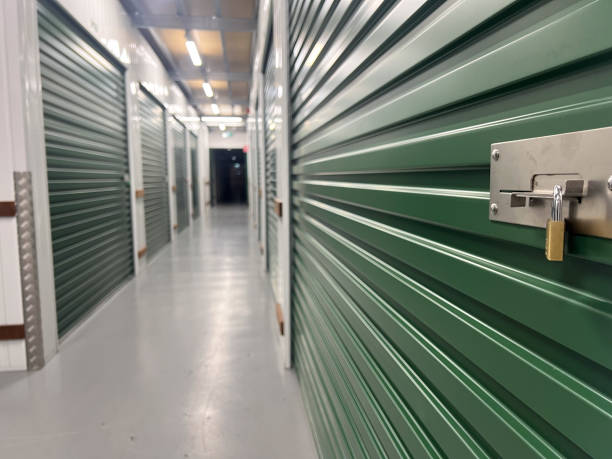
Where an RV is stored can affect how convenient the entire preparation process becomes. A suitable storage facility may provide designated parking areas that keep a large recreational vehicle away from residential driveways while providing a more organised place for long-term parking.
Owners should consider factors such as access, vehicle dimensions, security features, and the facility’s rules before choosing a storage location.
The cleaning process remains important regardless of where the RV is parked. Removing food and keeping compartments dry helps protect the interior throughout the storage period.
Final Thoughts
Preparing food compartments before placing an RV into storage is a relatively simple task, but it can prevent several avoidable problems. Removing food, cleaning shelves, drying enclosed spaces, inspecting the refrigerator, and checking for pests can all contribute to a fresher interior when the vehicle is ready for its next journey.
Taking care of these details before storage means less cleaning later and gives owners greater confidence that their RV has been properly prepared for its time off the road.