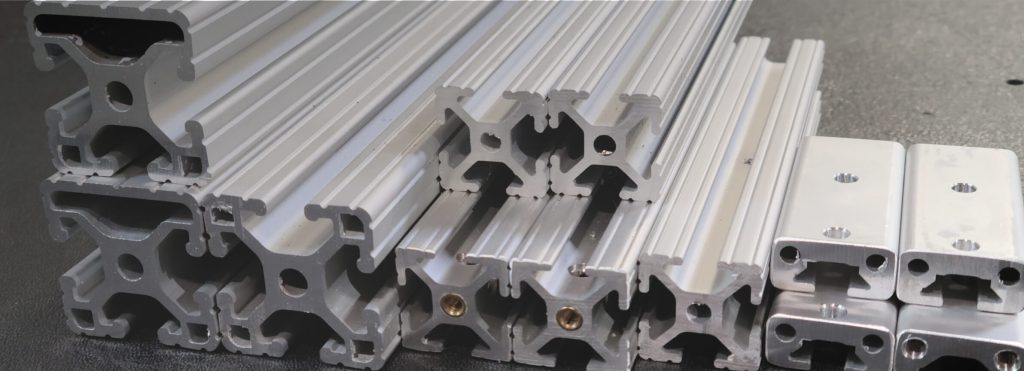
Project designs often depend on selecting the right structural components from the start. Aluminum framing systems offer flexibility, but size selection plays a major role in strength, weight, and performance. Builders working with T slot aluminum extrusion benefit from understanding how profile dimensions affect the final structure.
Smaller Profiles Work Well for Light Duty Frames and Panels
Compact extrusion profiles provide a practical option for lighter applications. These smaller sections often appear in guard panels, display frames, or simple workstations where heavy loads are not expected. Their reduced size allows easier assembly without sacrificing basic stability. Lightweight construction makes these profiles easy to transport and adjust during installation. MiniTec Aluminum Framing systems often include smaller T slot extrusion options that support quick builds without adding unnecessary weight. Projects that rely on mobility or frequent changes often benefit from using these compact aluminum framing material choices.
Medium Sizes Balance Strength and Flexibility for Builds
Mid range extrusion profiles offer a combination of durability and adaptability. These sizes are commonly used in machine bases, enclosures, and production line structures where moderate strength is required. Their design allows them to handle more weight while still remaining manageable during assembly. Balanced performance makes these profiles a popular choice across many industries. Builders working with MiniTec extruded aluminum framing often select medium sizes for projects that need both structural support and flexibility. This range works well in aluminum framing kit setups where adjustments may be required after installation.
Larger Extrusions Support Heavy Loads and Long Spans
Heavy duty profiles provide the strength needed for demanding applications. Larger T slot aluminum extrusion sections are often used in platforms, conveyor systems, and large equipment frames where extended spans must remain rigid. Their increased mass helps resist bending under load. Stronger profiles also improve stability in structures exposed to constant stress or vibration. A T slot extrusion designed for heavier applications can support significant weight without compromising alignment. Many builders choose these larger aluminum framing material options when long term durability is a priority.
Slot Width Affects What Hardware Fits and How It Connects
Slot dimensions determine how fasteners and accessories attach to the frame. Narrow slots typically accommodate smaller bolts and connectors, while wider slots allow larger hardware to be used. This difference affects both assembly speed and structural strength.
Compatibility between slot width and hardware ensures secure connections. MiniTec Aluminum Framing systems often include standardized slot sizes that match specific accessories. Choosing the correct T slot extrusion size helps ensure that brackets, panels, and fasteners fit properly during assembly.
Wall Thickness Plays a Role in Overall Frame Strength
Material thickness directly influences how much load a profile can support. Thicker walls provide greater resistance to bending and deformation, especially under heavy or repeated stress. This characteristic becomes important in industrial applications where frames must remain stable over time.
Durability improves as wall thickness increases, though it also adds weight. Builders using MiniTec extruded aluminum framing often evaluate wall thickness alongside profile size to match project demands. Stronger aluminum framing material helps maintain structural integrity in high load environments.
Profile Size Impacts Weight and Ease of Handling
Larger profiles naturally weigh more, which can affect installation and transportation. Smaller sections allow faster handling and easier adjustments during assembly, especially in projects that require frequent modifications. Weight becomes a key factor when building portable or modular systems.
Ease of handling often improves efficiency during construction. A well chosen T slot aluminum extrusion size helps balance strength with practicality. Many aluminum framing kit designs consider both weight and performance to simplify assembly without compromising stability.
Common Sizes Help Match Parts Across Different Systems
Standardized extrusion sizes allow components from different systems to work together. Common dimensions make it easier to source compatible brackets, fasteners, and panels without custom modifications. This consistency simplifies both design and assembly.
Interchangeability benefits projects that require expansion or upgrades later. MiniTec Aluminum Framing offers commonly used sizes that align with widely available accessories. Using standard T slot extrusion profiles helps maintain flexibility when modifying or extending existing structures.
Bigger Frames Need Stronger Connectors and Fasteners
Larger extrusion profiles require hardware that can handle increased loads. Standard connectors used with smaller frames may not provide enough support for heavier structures. Stronger fasteners help maintain alignment and prevent movement under stress.
Connection strength becomes a key factor in overall frame performance. Builders working with aluminum framing material often select reinforced brackets and bolts for larger profiles. Matching hardware to the size of the T slot aluminum extrusion ensures that the entire structure remains secure.
Size Choice Depends on Load Needs and Structure Design
Selecting the right extrusion size depends on how the structure will be used. Load requirements, span length, and environmental conditions all influence which profile performs best. Careful planning helps prevent issues related to underbuilt or oversized frames. Design considerations often include both current and future needs. MiniTec extruded aluminum framing systems allow builders to choose profiles that match specific project demands. Evaluating load capacity and structural layout ensures that the selected T slot extrusion provides reliable performance.
Selecting the right framing system often determines how well a structure performs over time. Minitec Solutions provides modular aluminum framing systems designed to meet a wide range of project requirements, from light duty frames to heavy load applications. Their selection of MiniTec Aluminum Framing products offers flexibility, compatibility, and reliable performance for various builds. Businesses and builders looking for dependable aluminum framing material can benefit from solutions that simplify assembly while supporting long term structural stability.